
Enhance Your Game with Premium Golf Artificial Grass Solutions

Choosing the Right Golf Artificial Grass for Your Needs
Investing in golf artificial grass can dramatically improve your golfing experience, whether for a home putting green, a driving range, or a commercial golf facility. Selecting the right type of grass is crucial for performance, durability, and aesthetics. This article will explore the benefits of golf artificial grass, different types available, installation considerations, maintenance tips, and how to choose the best option for your specific needs. We’ll cover everything from pile height to density, helping you make an informed decision for a long-lasting, high-quality putting surface.
The Advantages of Using Golf Artificial Grass
Golf artificial grass offers numerous advantages over natural turf. Primarily, it requires significantly less maintenance, eliminating the need for mowing, watering, fertilizing, and pest control. This translates to considerable time and cost savings. Furthermore, artificial grass provides a consistently smooth and predictable playing surface, unaffected by weather conditions. It's durable enough to withstand heavy use, making it ideal for both residential and commercial applications. The appearance is also a key benefit, maintaining a lush, green aesthetic year-round, without the upkeep associated with natural grass. High-quality golf artificial grass offers an excellent return on investment.
Key Benefits: Reduced maintenance costs, consistent playing surface, year-round green appearance, durability, and water conservation.
Understanding Different Types of Golf Artificial Grass
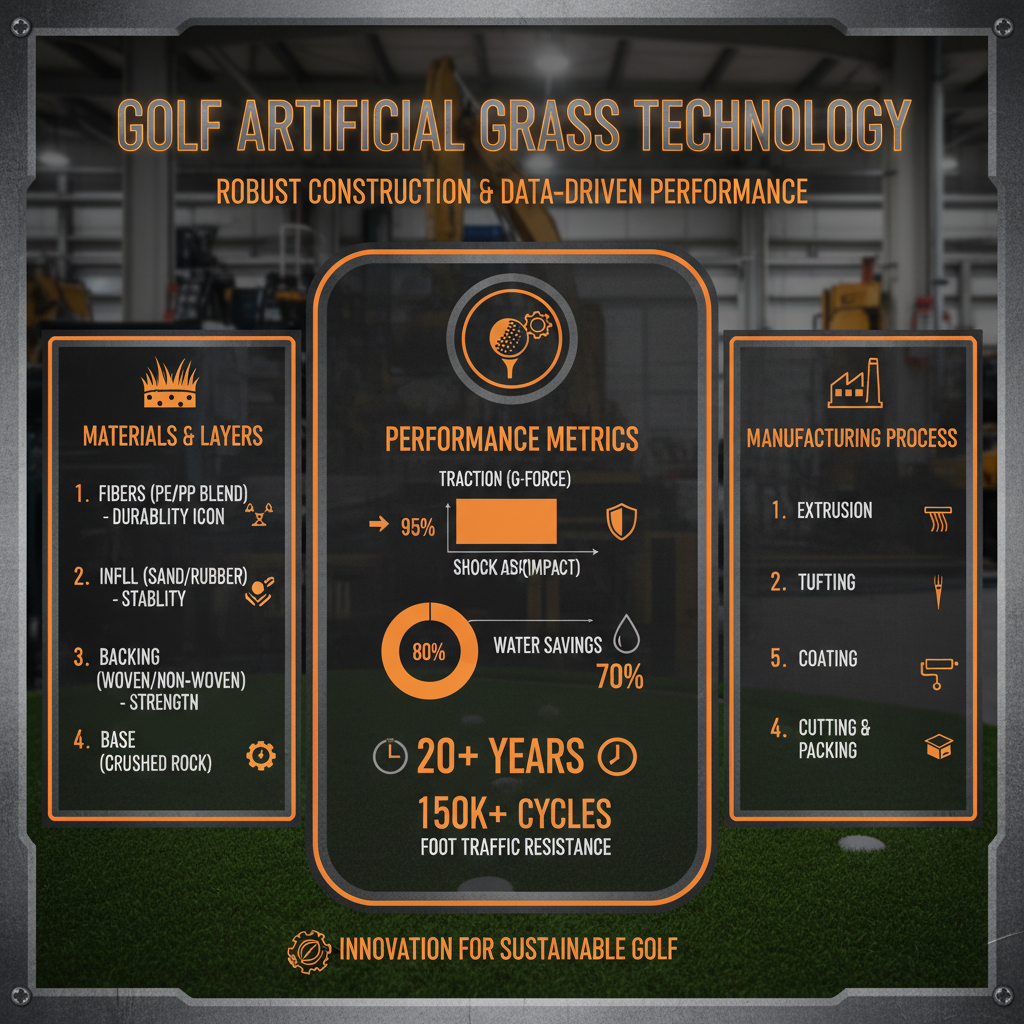
Not all golf artificial grass is created equal. Different types are designed for different applications and performance requirements. Putting green grass typically has a shorter pile height (8-12mm) and a higher density for a true roll. Driving range grass often has a longer pile height (15-25mm) for greater durability and a more natural feel. The materials used also vary, with polyethylene (PE) offering a softer feel and better UV resistance, polypropylene (PP) being more affordable, and nylon offering exceptional durability. Choosing the right type depends on your budget, intended use, and desired performance characteristics.
Golf Artificial Grass Types:
• Putting Green Grass: Shorter pile, high density, true roll.
• Driving Range Grass: Longer pile, durable, natural feel.
• Multi-Purpose Grass: Versatile, suitable for various applications.
Golf Artificial Grass: Key Specifications and Features
When comparing different options for golf artificial grass, pay close attention to these key specifications. Pile height, measured in millimeters (mm), affects the feel and performance. Density, measured in stitches per square meter, impacts durability and ball roll. Dtex refers to the yarn weight and influences the grass’s resilience. UV resistance is crucial to prevent fading and degradation from sunlight exposure. Finally, consider the backing material, which provides stability and drainage. A higher quality backing will contribute to a longer-lasting and more stable surface.
Installation Considerations for Golf Artificial Grass
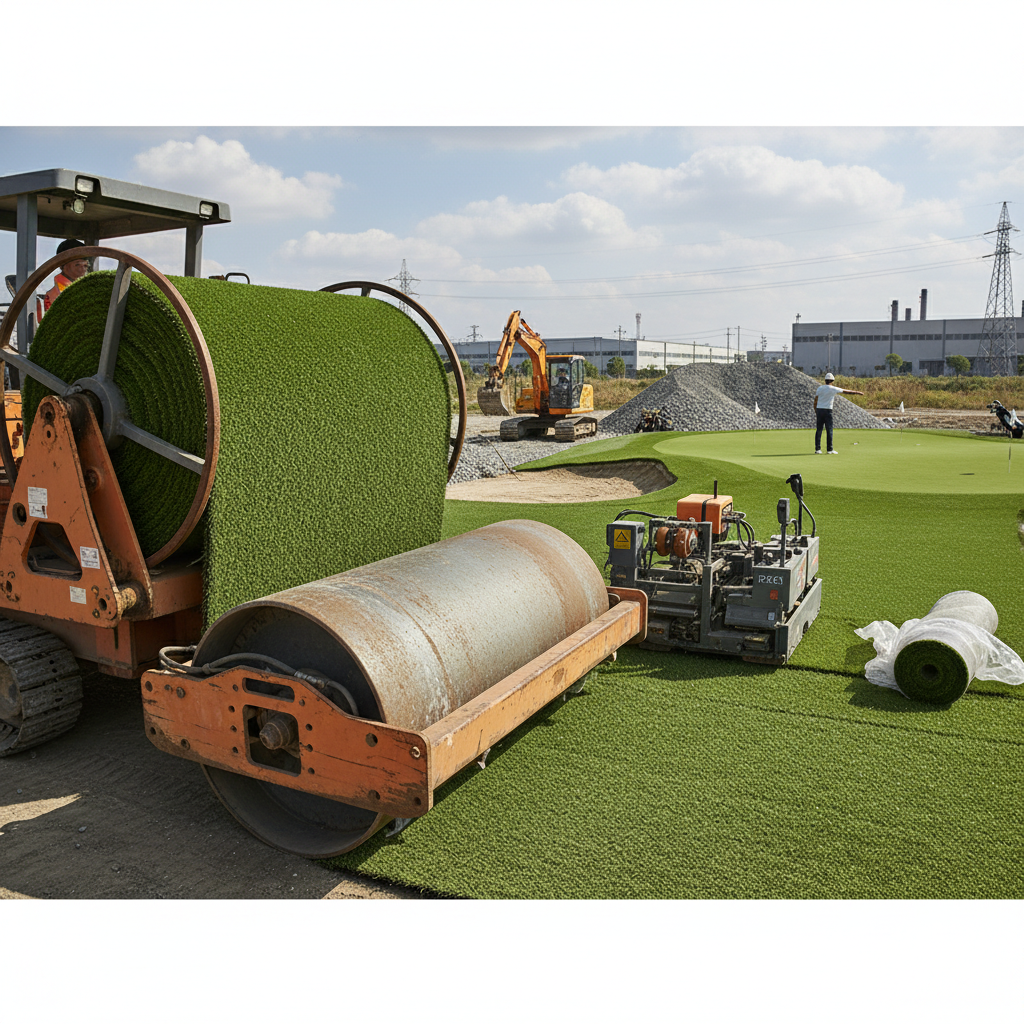
Proper installation is vital for the performance and longevity of your golf artificial grass. This typically involves site preparation, including leveling and compacting the ground. A geotextile fabric is often laid down to prevent weed growth and provide drainage. The grass is then rolled out and secured with adhesive or nails. Seams should be carefully joined to create a seamless surface. For larger projects, professional installation is highly recommended to ensure a flawless result. Contact us today for installation services!
Maintenance and Care of Your Golf Artificial Grass
While golf artificial grass requires minimal maintenance, some care is still needed to keep it looking its best. Regularly brushing the grass helps to maintain pile uprightness and remove debris. Periodically rinsing the surface with water can remove dirt and dust. Avoid using harsh chemicals or abrasive cleaners. Infill, such as sand or rubber granules, may need to be topped up over time to maintain the grass’s cushioning and support. Proper maintenance will extend the life of your artificial grass and ensure optimal performance.
Conclusion: Enjoy a Perfect Putt with Golf Artificial Grass
Investing in high-quality golf artificial grass is a smart choice for anyone seeking a low-maintenance, high-performance putting surface. By understanding the different types, specifications, and installation considerations, you can create a stunning and functional golf area that you’ll enjoy for years to come. Don't hesitate to explore the options and find the perfect grass to suit your needs.
Frequently Asked Questions (FAQs)
How long does golf artificial grass typically last?
With proper installation and maintenance, golf artificial grass can last for 15-20 years or even longer. The lifespan depends on factors like the quality of the grass, the amount of foot traffic, and exposure to UV rays. Choosing a high-quality product with good UV resistance and following recommended maintenance practices will maximize its longevity. Regular brushing and cleaning will help prevent matting and maintain the grass’s appearance.
Is professional installation necessary for golf artificial grass?
While smaller projects can be tackled by DIY enthusiasts, professional installation is highly recommended, especially for larger or more complex installations. Professionals have the expertise and tools to properly prepare the site, ensure proper drainage, and create a seamless, durable surface. Incorrect installation can lead to issues like unevenness, drainage problems, and premature wear.
What type of infill should I use with my golf artificial grass?
The choice of infill depends on your budget and desired performance characteristics. Sand is a cost-effective option, providing stability and support. Rubber granules offer better cushioning and a more natural feel. A combination of sand and rubber is also common. The amount of infill needed will vary depending on the pile height and density of the grass. Consult with a professional installer to determine the optimal infill type and amount for your specific needs.
How do I clean spills on my golf artificial grass?
Cleaning spills on golf artificial grass is relatively easy. For liquid spills, simply blot up the excess with a clean cloth. For solid spills, remove the debris and brush the area to restore the pile. You can also use a mild soap and water solution for stubborn stains, but be sure to rinse thoroughly afterward. Avoid using harsh chemicals or abrasive cleaners, as these can damage the grass.
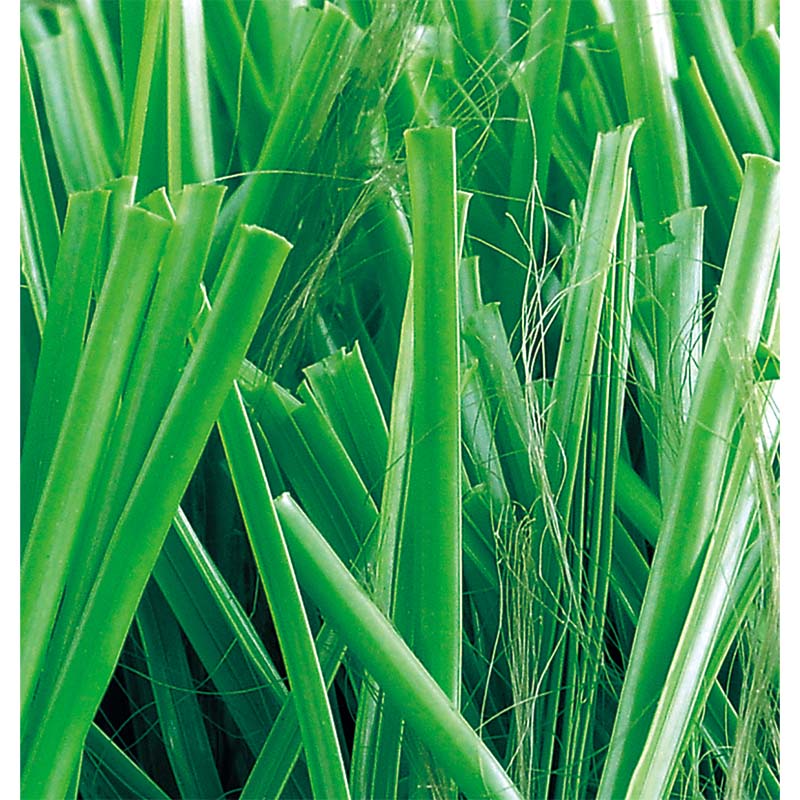
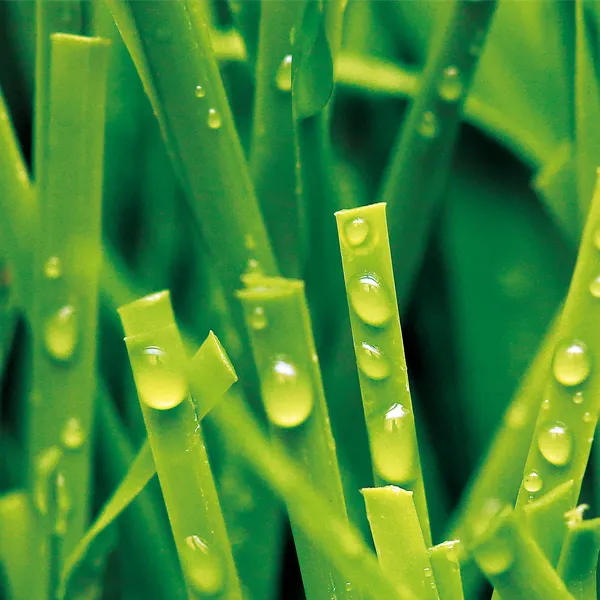
With years of expertise in artificial grass, we're dedicated to providing eco-friendly, durable, and aesthetically pleasing solutions.
Our commitment to quality and customer satisfaction shapes every blade of grass we produce,
ensuring that we not only meet, but exceed,your landscaping expectations.