
Benefits of Artificial Grass for Golf Practice at Home and on the Course

The Rise of Artificial Grass for Golf A Game Changer
In recent years, the golfing world has witnessed a significant transformation with the increasing adoption of artificial grass for golf courses, practice areas, and home installations. This evolution is driven by the need for maintenance-free solutions that provide consistent playing conditions while reducing the environmental impact associated with traditional grass. In this article, we delve into the benefits, applications, and future prospects of artificial grass in golf.
Benefits of Artificial Grass for Golf
1. Consistency in Playing Conditions One of the most significant advantages of artificial grass is its ability to provide a uniform surface for playing. Unlike natural grass, which can suffer from irregularities caused by weather, heavy foot traffic, or disease, artificial turf maintains its condition year-round. Golfers can enjoy consistent ball roll, smooth putting, and reliable turf response, translating to a better overall playing experience.
2. Reduced Maintenance Costs Maintaining a natural grass golf course demands significant time, effort, and financial resources, with costs associated with mowing, watering, fertilizing, and pest control. Artificial grass eliminates the need for these labor-intensive tasks, allowing golf course operators to redirect resources toward enhancing the overall customer experience. Additionally, many artificial turf products come with extended warranties, further reducing long-term costs.
3. Water Conservation With increasing concerns about water scarcity, the golf industry is under pressure to adopt more sustainable practices. Artificial grass requires no irrigation, substantially conserving water resources. This makes it an environmentally friendly option, aligning with the growing trend of eco-consciousness among golfers and course managers.
4. Versatility in Design and Use Artificial grass is highly versatile and can be used in various applications. Golf courses can incorporate it into greens, tees, fairways, and rough areas, allowing for a wide range of design possibilities. Additionally, many golfers opt for artificial grass in their backyards to create personalized putting greens or practice areas, bringing the golfing experience home.
Applications of Artificial Grass in Golf
1. Golf Courses Several golf courses have started integrating artificial grass into their designs, especially in areas prone to drought or where maintaining natural grass is challenging. High-quality artificial turf designed for golf can withstand heavy usage while maintaining its aesthetic appeal.
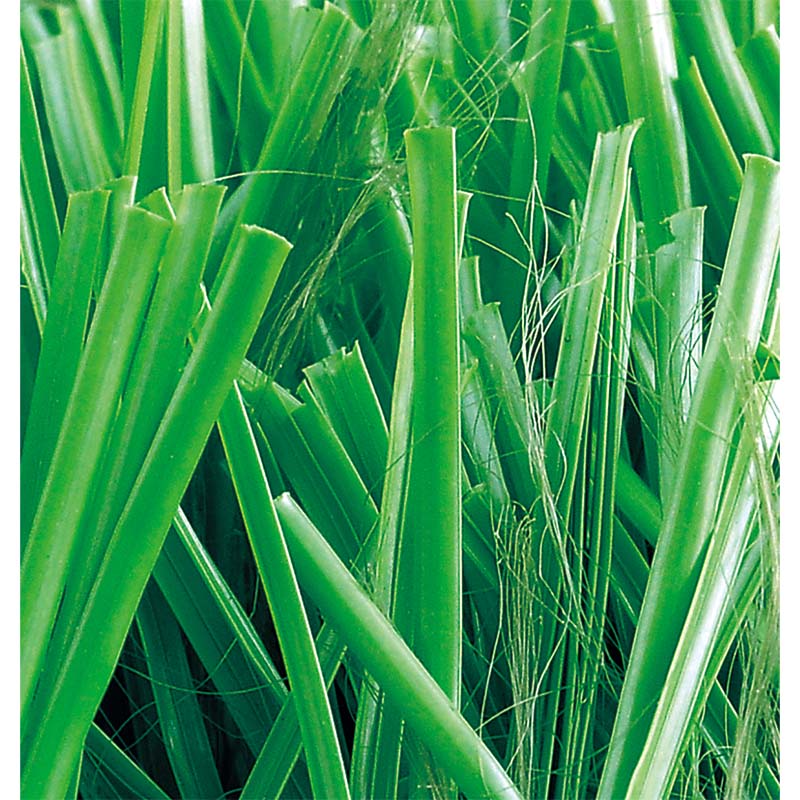
artificial grass for golf product

2. Driving Ranges Driving ranges benefit significantly from artificial grass. The durability of turf allows for extensive daily play without the wear and tear associated with natural grass, ensuring that the hitting areas remain in pristine condition.
3. Home Installations Golf enthusiasts are increasingly installing artificial turf at home for practice. Backyard putting greens and chipping areas can be created using premium artificial grass, enabling golfers to hone their skills right outside their door. This convenience encourages regular practice, contributing to skill development.
4. Indoor Facilities With the rise of indoor golf simulators and training facilities, artificial grass plays a critical role. It offers a realistic experience for golfers, allowing them to practice putting and chipping in controlled environments regardless of external weather conditions.
Future Prospects
The future of artificial grass in the world of golf looks bright. As technological advancements continue to improve the quality and performance of synthetic turf, we can expect even greater adoption in various golf-related applications. Manufacturers are focusing on creating products that mimic the feel and playability of natural grass, ensuring that golfers do not compromise on experience despite switching to artificial surfaces.
Moreover, with a growing emphasis on sustainability within the sporting community, the move towards artificial grass will likely accelerate. Golf courses that adopt environmentally friendly practices, including artificial grass installation, stand to benefit from an increasingly eco-conscious clientele.
Conclusion
Artificial grass is undeniably reshaping the landscape of golf. By offering consistent playing conditions, reduced maintenance needs, and sustainability, it has emerged as a practical and innovative alternative to traditional grass. As golfers and course managers alike recognize the numerous benefits, the rise of artificial grass in golf is set to continue, promising an exciting future for the sport. Whether on a professional course, a driving range, or at home, artificial grass is proving to be a true game changer in the world of golf.


With years of expertise in artificial grass, we're dedicated to providing eco-friendly, durable, and aesthetically pleasing solutions.
Our commitment to quality and customer satisfaction shapes every blade of grass we produce,
ensuring that we not only meet, but exceed,your landscaping expectations.